
New American
250 years after independence, who gets to be American?
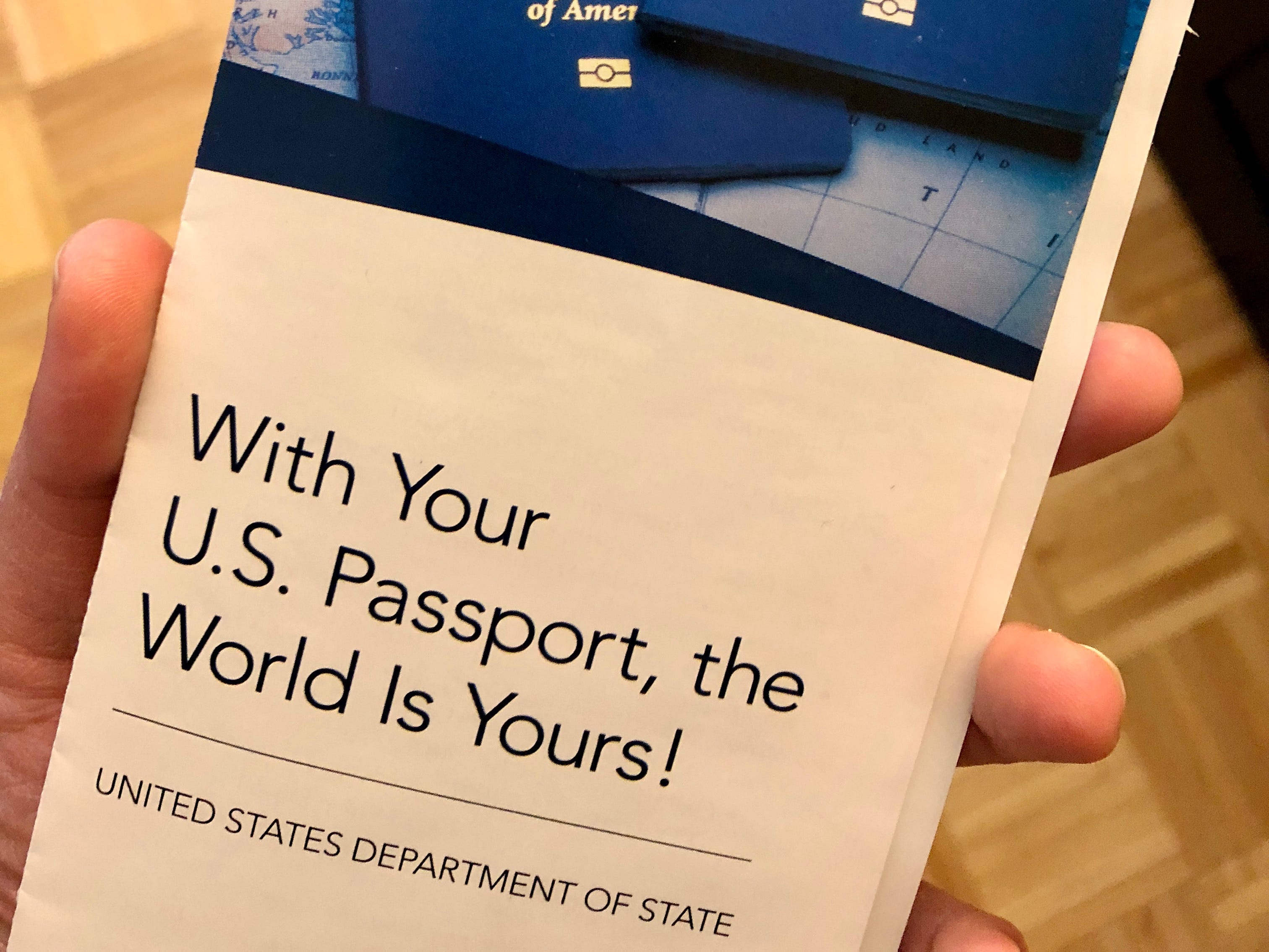
I was naturalized as an American citizen on June 8th, 2018. The day, though significant, is hazy in my memory, sandwiched between trips to D.C. and Chicago for work. There was a brief court ceremony in the morning during which I recall sitting in a room full of similarly relieved and joyful people, all of us betting our futures on this great American project.
I wish I could go back in time and ask some of those people to share their stories. How had they gotten to that point? There’s no doubt in my mind it would’ve been an inspiring exercise. A reminder that those of us who buy into the ideals of America, the converts, often believe most fervently in its promise.
June 8th was, coincidentally, the same day that Anthony Bourdain died. A kind friend had sent me a bouquet of flowers to celebrate my new legal status, but I felt moved enough by his loss to walk down to Brasserie Les Halles, the shuttered restaurant on Park Ave where he had worked, and place the flowers at the door alongside a growing shrine of tributes.
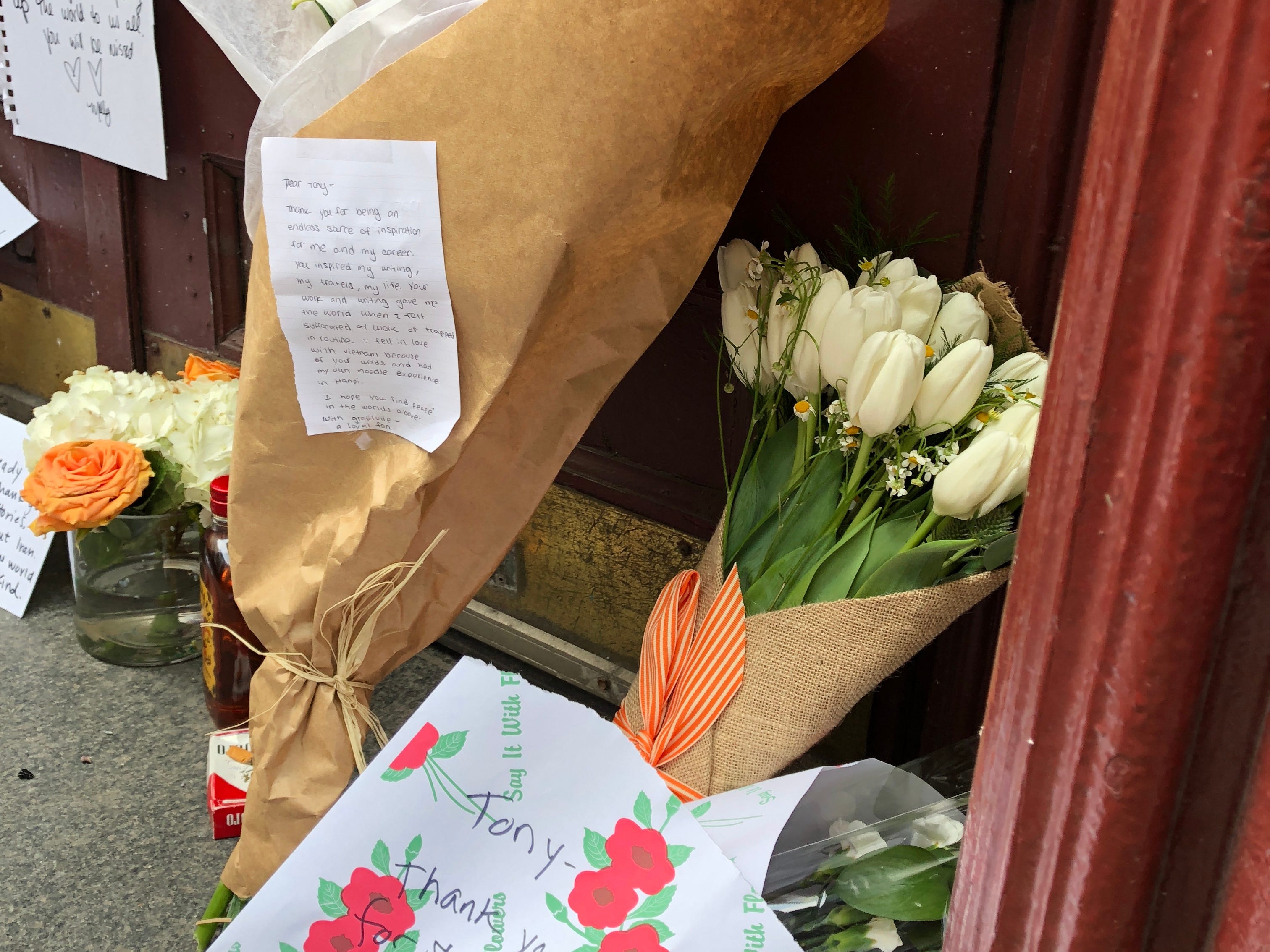
Bourdain was a towering figure in the west for his public persona as an irreverent intellectual with an eyes-wide-open approach to travel, food, and, above all, humanity. Bourdain loomed large in the east too, for simply seeing us.
This isn’t an essay about Anthony Bourdain, but maybe he’s showing up here in my thoughts because he embodied the kind of honesty and curiosity that has, I think, redefined what it means to, as an American, love food in the twenty first century.
Around the time of my naturalization, which rendered my old Pakistani passport obsolete, I had an idea for a story with the headline: New American. I wanted to document the first supper that newly naturalized American citizens ate after their oath-swearing ceremony. What foods did people seek out after they became legal American citizens? Was it symbolic? Was it comforting? Was it celebratory?
My hypothesis was that the story might reveal a tapestry of foods, and people, with the newfound power to continue reshaping and redefining what it means to be American.
My own first meal as a non-alien was a dry-aged burger at Peter Luger. It was a tongue-in-cheek pick, to be honest. Practically speaking, Luger’s was a short car ride over the bridge from the courthouse. But symbolically, it was the low-hanging fruit of the quintessential American appetite, fulfilled.
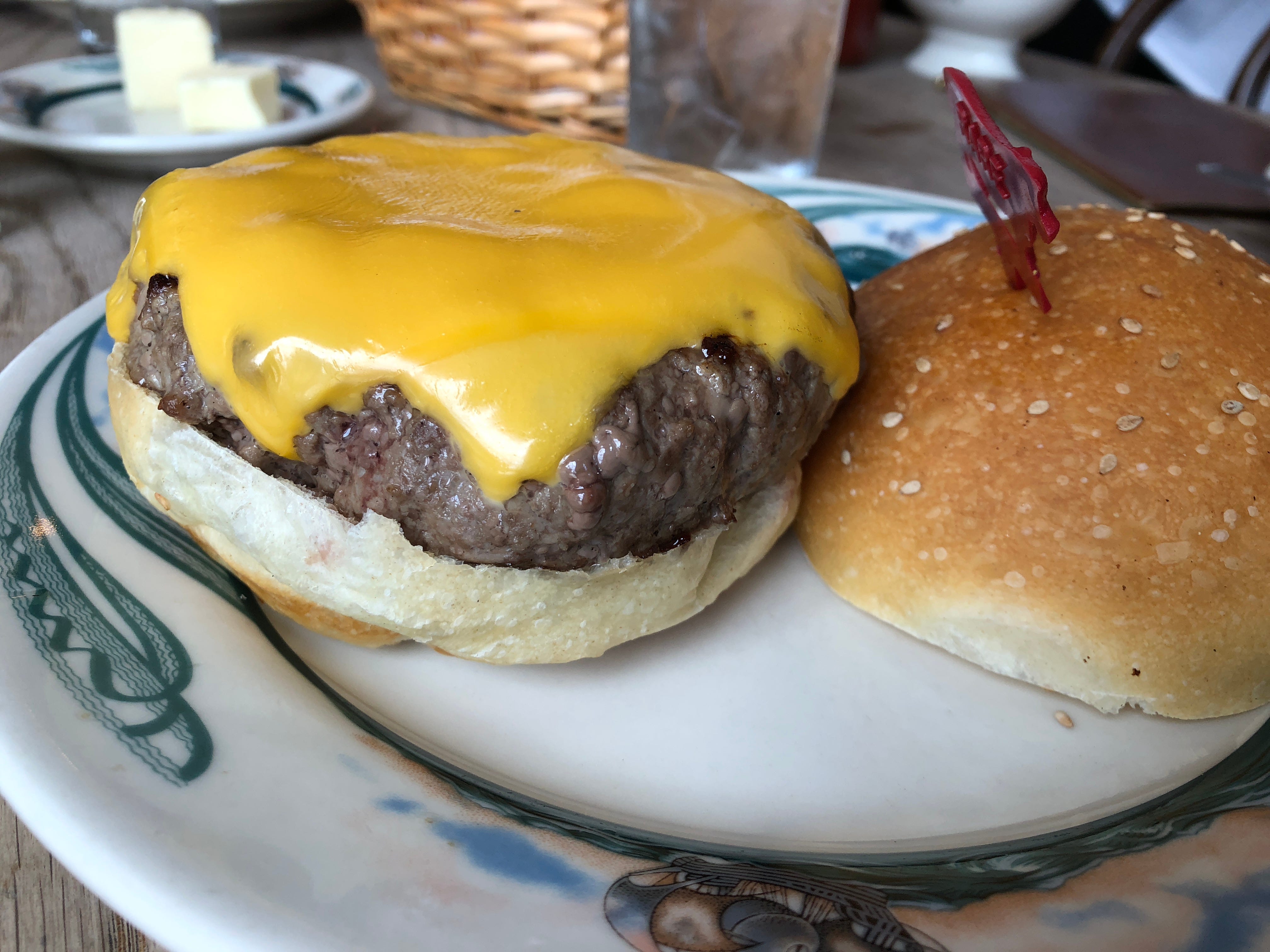
I’m sure it pains a lot of people to know that America’s most persistent image abroad is irrevocably entwined with the consumption of beef. That and a touch of cowboy culture, the figurative wild west, and a manifest free-for-all.
But if you look beyond all that, as I did, you’ll see that America’s most magnetic, most compelling trait is the possibility that you can change your life here. The dream is that you can be anything, or anyone, you want.
So, every year, something like 820,000 people take the leap towards realizing their dreams and pledge allegiance to the flag as new American citizens. According to the Pew Research Center, the latest census data, which counts all people living in America regardless of legal status, shows that the share of foreign-born people in the U.S. “has more than tripled since 1970 – from 4.7% (an all-time low) to 14.8% in 2024.”
Race-wise, the white majority declined from roughly 76% in 1990 to about 58% in the 2020 census, supplanted by a greater share of Hispanic (19%) and Asian (6%) people in the country. (This article tracking the way the U.S. Census captures race and ethnic data is pretty interesting.)
In 2021, I tried to capture the impact of these shifts on the food world, particularly in major urban cities, in an essay for Resy titled, “Turns Out Now Is the Golden Era for Fusion Cuisine.” This was early days in my writing career, but even then, I had the sense that attitudes towards “fusion” cooking were shifting in part due to demographic changes and I wanted to capture the moment. Luckily, my editor at Resy saw the potential in my pitch and gave me a shot.
Chefs across the country are using food to hash out the complexities of the modern American identity, and so we have come upon what I’d describe as a golden era of fusion cooking.
I went on to say that the old Euro-centric hierarchies that gave fusion-style cooking its cultural cachet and, later, its bad name, were fading. And that young chefs were fusing together cuisines and ingredients with greater fluency than ever simply because it was how they saw and experienced the world.
Since the piece came out, I’ve seen a much louder embrace of fusion cooking, which in some cases is being rebranded as “third culture” cooking, though I have some issues with this term.1
In any case, here in New York, we’re still living in the heyday of this style of cooking and baking — and thank God for that. Food is still the perfect medium to not only express the complexities of the modern American identity, but to share it with others.
At the Brooklyn bakery Diljān, for example, the baker Bryan Ford uses western-style laminated pastry as a foundation upon which to build Afghan-inspired flavors, like sheer pira, a round of milk fudge nestled in flaky dough. Ford himself was born in Honduras and raised in New Orleans, but he partnered with the Afghan restaurateurs Ali Zaman and Mohamed Ghiasi (who also own Little Flower Cafe in Astoria) to open Diljān, acting as mediator between cultures.
“This is a very nuanced and nostalgia based form of recipe testing where I have to make sure I’m in line with the building blocks of Afghan flavors, and as I am not Afghan, I have checkpoints I need to pass. This part of the project has been my favorite part, because I’m learning and also pushing myself to do things I’ve never done,” he wrote in his Substack, Baking Simplified, documenting the opening of the bakery.
The sheer pira, with crispy-edged butter pastry and a nutty frangipane, is delightful. I especially love it because it reminds me of burfi, a traditional South Asian sweet similarly made from milk. Eating the pastry felt like waking a dormant side of my brain, giving my own nostalgia a contemporary look.
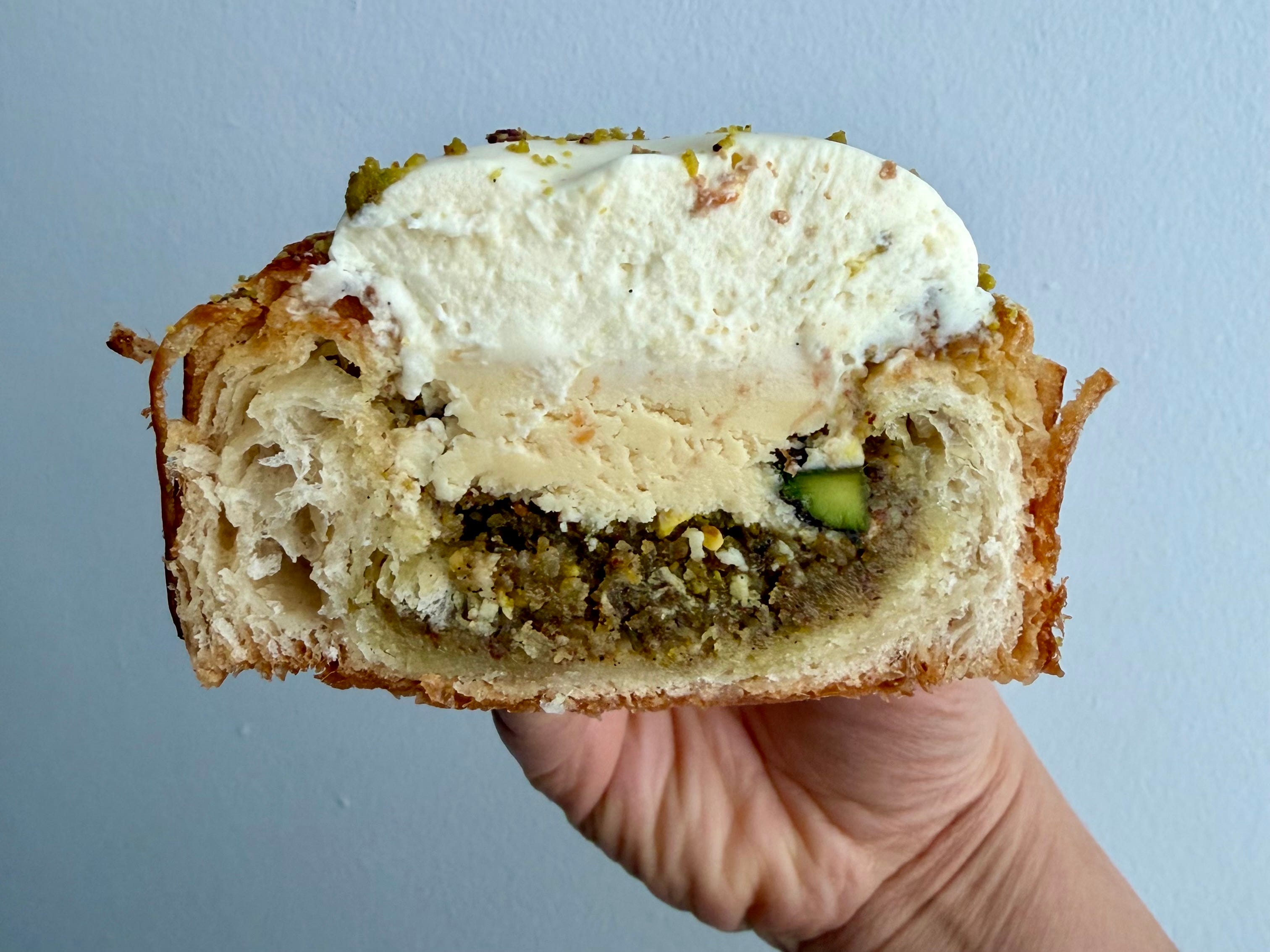
I think even Bourdain might have agreed that food gets more interesting, and more delicious, when certain borders are crossed, blurred, and altogether ignored.
A more recent “third culture” bakery to open in New York is Let’s Chama, an extension of the popular Georgian restaurant, Chama Mama, which opened in 2019. There are now five locations of Chama Mama across NYC, two of which have outposts of the bakery (one in Bushwick and one re-opening soon in Manhattan).
“Opening Let’s Chama felt like a natural next step. Bread and pastries are at the heart of Georgian culture,” the chef Nino Chiokadze wrote to me in an email. “While the bakery industry is competitive, we believe there is always room for quality, craftsmanship, and stories that connect people to a culture.”
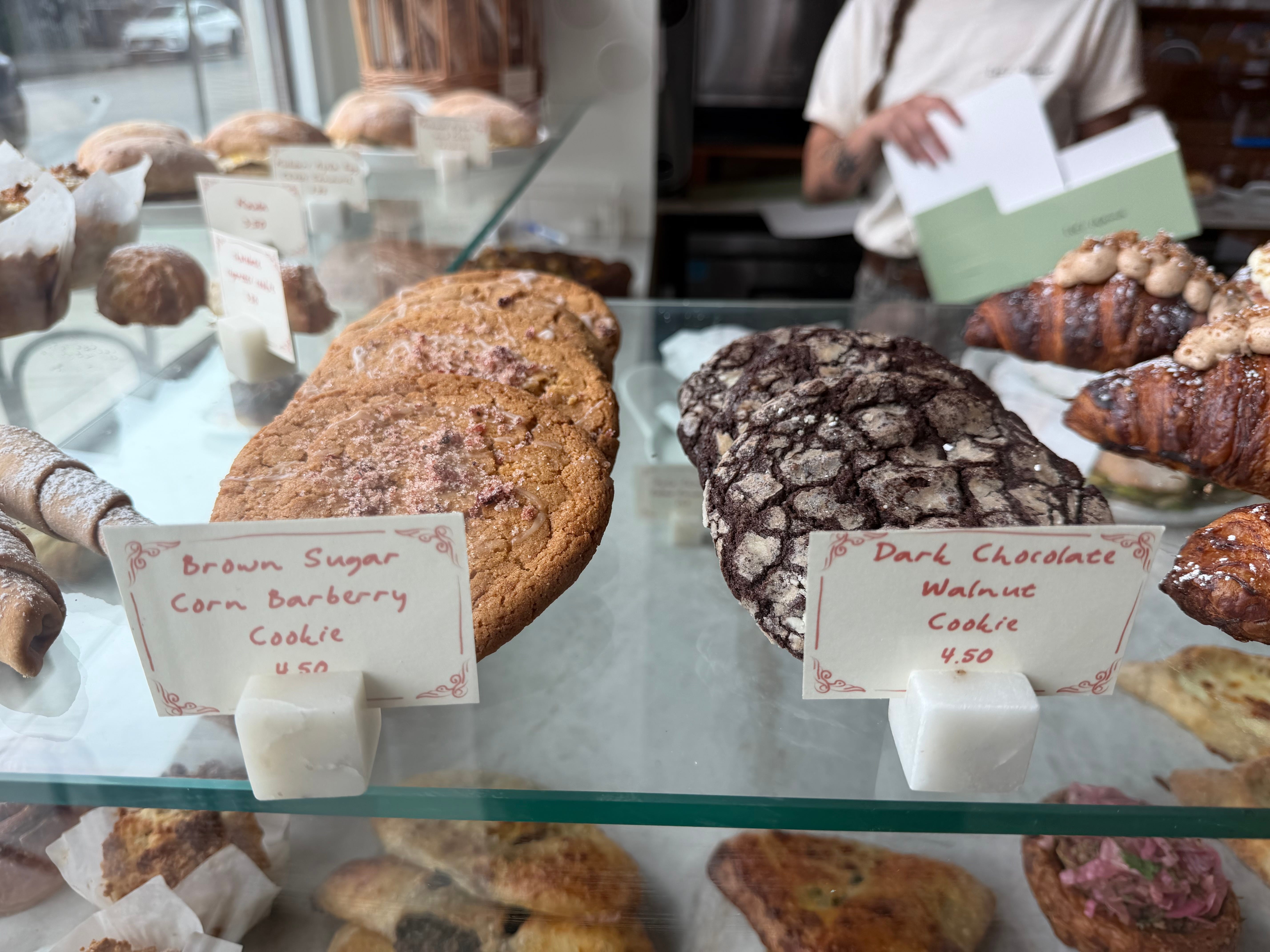
The Bushwick bakery is a comfortably lofty space attached to the full-service restaurant. There is a long, abundantly filled pastry case of classic laminated pastries with a Georgian twist. I loved the walnut croissant, expertly crafted and piped with a toasty walnut cream. The jonjoli cruffin was similarly textbook perfect: fluffy, well-risen dough filled with pickled jonjoli flower buds and savory cheese.
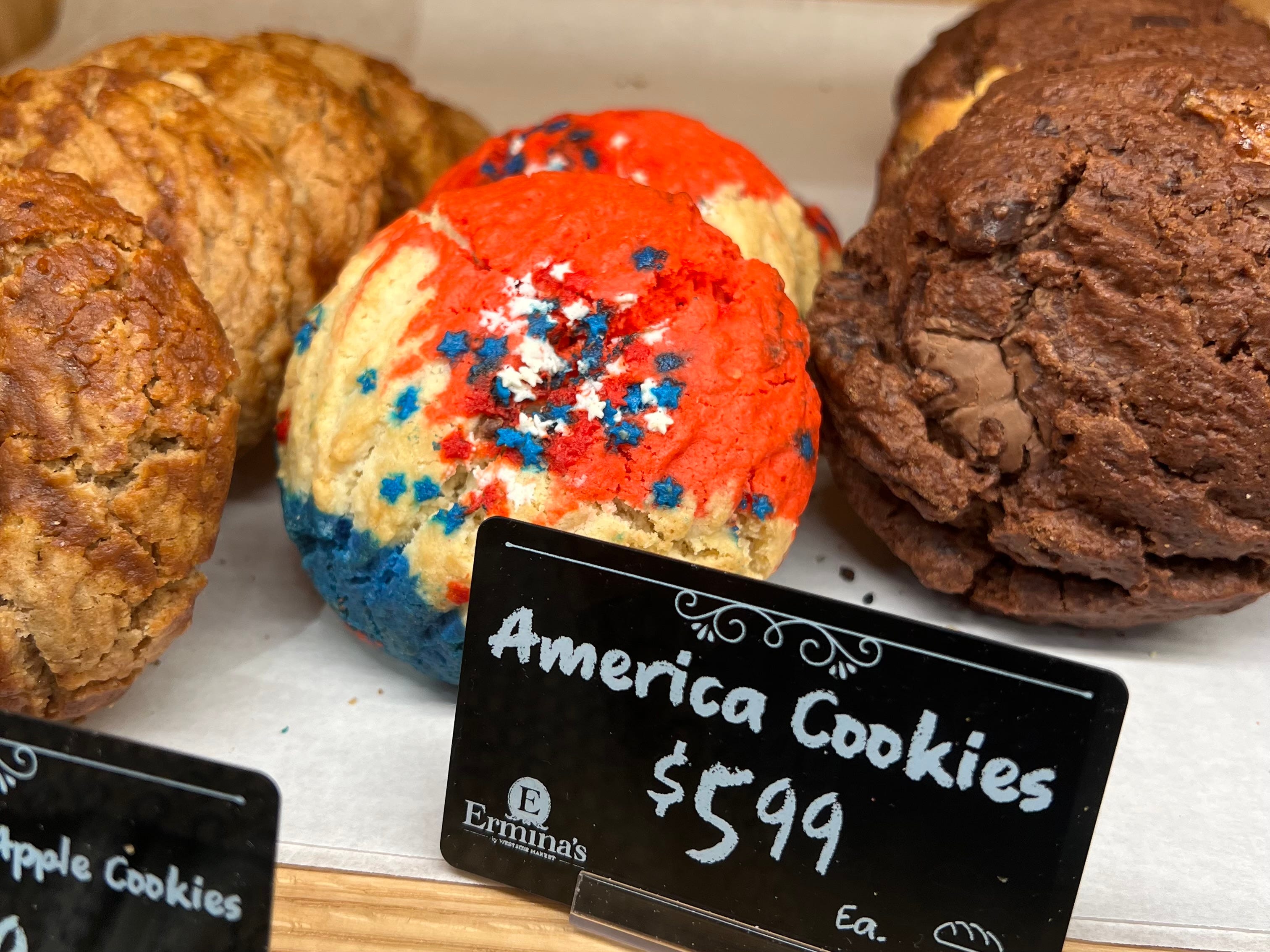
Nestled next to traditional Georgian rolled “cigarette” cookies were large, palm-sized American-style cookies, like the brown sugar corn cookie with a tart barberry glaze and the dark cocoa cookie studded with chopped walnuts.
My daughter’s favorite item, a raspberry tart filled with luscious custard and a flowering bloom of raspberries, came with a dusting of sumac, which added a dried, musky tartness to the ripe summer fruit. It was all so delicious. Familiar to a point, then delightfully fresh.
“New York challenges you to be both authentic and creative at the same time. People here are curious, knowledgeable, and open to discovering new cuisines. That encourages me to think differently about how I present Georgian food. I can honor Georgian traditions and at the same time create something new that reflects where I am today. That combination of tradition and innovation is what makes New York such a special place to cook,” Chiokadze wrote.
On the eve of the country’s 250th celebration of independence, it still feels like we’re casting about for a word to describe this style of cooking. Fusion, despite how far we’ve come, is perhaps still too loaded. And “third culture” feels too peripheral, as if it exists outside the culture instead of right there in the middle of it. What if we just call it what it is and use the word staring us all in the face: American.
For as long as I’ve been aware of the term, “American food” seemed to either describe mass-produced industrial food or a kind of plain, seasonal restaurant cooking that aspired to be a little French, a little Italian. It is rarely acknowledged as the cuisine of indigenous Americans or attributed to the country’s first cooks and chefs: enslaved Africans.
But American food is all food that is created here, in America. It is based on its people and their many different cultures and circumstances. Like basically all of us at one point or another, it’s a hyphenated cuisine. African-American, Italian-American, Chinese-American, Mexican-American.
On the eve of the 250th celebration of independence it’s a tenuous time for immigrants in this country, which, beyond native people and those subjected to forced migration, is and has been a country of immigrants, refugees, and asylum seekers. The Supreme Court may have just ruled against Trump’s executive order curtailing birthright citizenship, but earlier in June Trump signed the Secure America Act to provide the U.S. Customs and Border Protection (CBP), U.S. Immigration and Customs Enforcement (ICE), and the Department of Homeland Security (DHS) with nearly $70 billion in funding.
I wish the same acceptance of global influences shaping American cuisine was reflected in the politics of the day, but that narrative is perhaps a bit too simple.
Still, the fact remains that American cuisine, and by extension the country itself, is one of adaptation, change, and unwritten potential. And, as Nino Chiokadze so eloquently wrote, that is exactly what makes it the most interesting, most wonderful place to be.
I’ve met a lot of other third culture kids over the years and the thing that defined and united us was not our identities, like being mixed or second generation Asian-American, but the experience of being othered in our mostly transient homes (or, “outside our passport country” per the book Third Culture Kids). I’d say we are similar to the second-generation kid, but distinct because at the end of the day, all Asian-Americans are still American. There is no comfort in scale for a third culture kid.